Okay, so check this out—have you ever felt like your crypto security options were stuck in the past? Like, seriously, hardware wallets often feel bulky, complicated, or just plain old-fashioned. Smart card wallets are flipping the script, and honestly, it’s about time. I mean, who wouldn’t want a device that fits in your wallet just like your credit card but holds your crypto keys securely? It sounds almost too good to be true, but there’s somethin’ really promising brewing here.
At first glance, the idea of a smart card wallet seems like a simple miniaturization of hardware wallets. But actually, it’s a whole different game. These devices use embedded secure elements—think of them as tiny Fort Knoxes—right in a credit-card form factor. My instinct said, “Okay, this might just be the future,” but I wanted to dig deeper. Why exactly are they safer? What challenges do they face? And, importantly, how do they fit into the broader blockchain security landscape?
Here’s the thing. Traditional hardware wallets, while effective, often require cable connections or Bluetooth, which introduces attack surfaces. Smart card wallets, on the other hand, leverage contactless technology—NFC mostly—to communicate. This means no wires, no ports, and a much smaller attack vector. Wow! The absence of physical connectors makes them inherently less vulnerable to tampering or physical attacks. But, of course, nothing’s ever perfectly secure…
Initially, I thought the smaller form factor might sacrifice security. But then I realized the secure element chips used in these smart cards are often the same or even more advanced than those in classic hardware wallets. They isolate private keys within tamper-resistant hardware. On one hand, that’s reassuring, but on the other hand, I kept wondering about usability. Would people find the smart card interface intuitive? Turns out, some solutions have nailed this balance quite well.
Now, if you’re curious about a standout example, I’d recommend looking into the tangem hardware wallet. It’s a smart card wallet that’s been making waves for its seamless user experience combined with robust security. Seriously, their approach to integrating blockchain security into a simple card you can slip into your wallet is pretty slick.
Something felt off about the way most crypto wallets handle private keys on phones or desktops—too exposed, too hackable. Smart card wallets shift trust away from the device to the card itself. Because your keys never leave the secure element, malware on your phone or computer can’t steal them. That’s a game changer, no doubt. But here’s where it gets tricky: NFC communication, while convenient, could theoretically be intercepted. Although modern encryption counters this risk, I’m not 100% convinced all users grasp the nuances.
On the topic of blockchain security, smart card wallets embody a principle that often gets overlooked—minimal attack surface. The fewer components exposed, the safer your assets. This contrasts sharply with software wallets that rely heavily on the device’s OS security, which can be notoriously shaky. Interestingly, the smart card’s reliance on proven banking-grade secure elements borrows from decades of financial security expertise rather than just crypto-native tech. Hmm… that blend might explain why some crypto purists remain skeptical, but I think it’s a strength.
Oh, and by the way, managing multiple crypto assets is surprisingly straightforward with these cards. Their firmware often supports multiple blockchains, so you’re not locked into just Bitcoin or Ethereum. Plus, the contactless nature means you can authenticate transactions through your phone or even ATMs without exposing your keys. That’s something I didn’t expect to appreciate until I tried it myself.
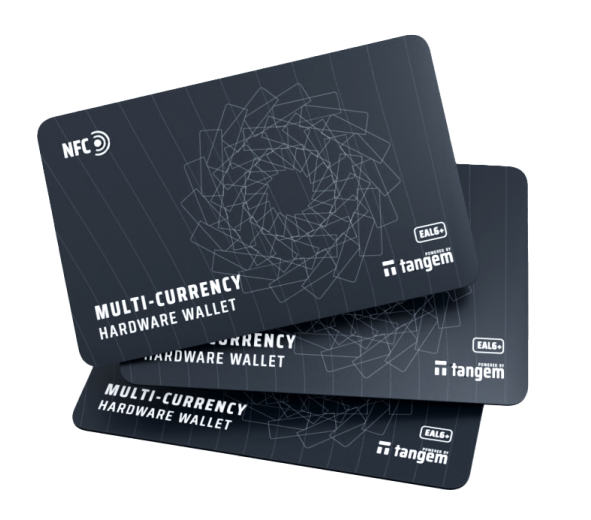
The Real-World Usability: Convenience Meets Security
I’ll be honest: convenience is a major factor in crypto adoption, and smart card wallets deliver it in spades. Carrying a device that’s literally your wallet’s size and can connect to your phone wirelessly feels futuristic. But it’s not just about size. The interaction model—tap your card, approve on your phone, done—is super intuitive. It removes layers of complexity that often intimidate new users.
Still, there’s a learning curve. For example, you have to get used to treating your card like a real credit card, meaning you can’t afford to lose it or leave it lying around. This is a bit different from software wallets where losing your phone is a problem, but you might recover with backups. With smart cards, backup strategies can be less straightforward, though some vendors offer recovery options via seed phrases or cloud-assisted methods. On one hand, this raises questions about centralization; on the other hand, it adds a safety net for the less tech-savvy.
Security-conscious users might worry about the NFC communication itself. Though the data exchange is encrypted and time-limited, there’s always that gut feeling about wireless tech. Personally, I’m with the camp that values physical possession as part of security. Having your private keys literally in your hand can provide peace of mind that no hacker halfway across the world can remotely drain your wallet without physical access. But, hey, that’s just me.
For developers and blockchain enthusiasts, smart card wallets also open new doors. They can be used as secure signers for decentralized applications (dApps), enabling safer interactions without exposing keys to browsers or mobile apps. This shift could bolster trust in DeFi platforms where security scandals are all too common. It’s a subtle but powerful evolution.
Of course, no tech is free from flaws. Smart card wallets’ reliance on NFC means you need compatible devices, and there’s always a risk of hardware failure. But considering that traditional hardware wallets can suffer from cable damage or battery issues, the tradeoff might be worth it. Plus, the ultra-portable nature means you’re less likely to leave it behind, which is a practical advantage.
Something that bugs me a little is the pricing. Smart card wallets tend to be pricier than basic hardware wallets. For casual users or those just dabbling in crypto, this might be a barrier. But for heavy users or those holding substantial assets, the extra cost can be justified by the added convenience and security layers.
What really fascinates me is how smart card wallets could integrate with future identity solutions. The same hardware that secures crypto keys could also manage digital IDs, health records, or even payment credentials—all in one card. That might sound like science fiction today, but given how blockchain and secure element tech are evolving, it’s a real possibility. This convergence could redefine what we expect from personal digital security devices.
And yeah, I can hear some folks saying, “But isn’t this just another gadget to lose?” True, but the industry is actively developing multi-factor authentication schemes and wallet management ecosystems that mitigate these risks. For example, some smart card wallets pair with smartphone apps that alert you if your card goes out of range. Pretty neat, huh?
So, where does that leave us? Smart card wallets are not just a novelty—they’re a serious contender in crypto security. They blend convenience, robust hardware protection, and blockchain compatibility in a package that fits in your pocket. For anyone tired of juggling cables, worrying about phishing, or fussing with complicated wallet setups, these cards offer a refreshing alternative.
That said, adopting them means embracing a slightly different mindset about crypto custody—one that prioritizes physical security and seamless user experience over traditional paradigms. And honestly, that might be exactly what the space needs as it matures.
Frequently Asked Questions
What makes smart card wallets more secure than traditional hardware wallets?
Smart card wallets use secure elements embedded in a contactless card, eliminating physical connection points that hackers often exploit. They keep private keys isolated and only communicate via encrypted NFC signals, reducing attack surfaces significantly.
Can I use a smart card wallet with all cryptocurrencies?
Most smart card wallets support multiple blockchains, but compatibility varies by device. It’s best to check the specific wallet’s supported assets. For example, the tangem hardware wallet offers support for a broad range of popular cryptocurrencies.
What happens if I lose my smart card wallet?
Losing the card can be serious since it holds your private keys. However, many smart card wallets offer backup or recovery options like seed phrases or cloud recovery, although this varies by manufacturer. Always verify backup procedures before relying solely on the device.
Are smart card wallets compatible with mobile devices?
Yes, they primarily use NFC technology, so they work with most modern smartphones that have NFC capabilities. This allows for contactless transaction signing and easy wallet management via companion apps.