Okay, so check this out—hardware wallets aren’t just for hoarding Bitcoin anymore. Wow! They’ve grown into the control center for NFTs, quick trades, and DeFi moves, and that changes the security calculus in ways a lot of people miss. My instinct said this shift was coming, and then I started using them for everything from minting art to staking stablecoins, and yeah—something felt off about thinking of a hardware wallet as a simple cold box. On one hand it’s the single safest place to keep private keys, though actually, wait—let me rephrase that: they’re the safest common-sense option for most users, assuming you adopt the right workflows.
Seriously? Yep. The ecosystem has matured. Medium-level apps now connect to hardware devices for signing complex transactions—NFT minting, token swaps, liquidity provision—and that adds both convenience and new attack surfaces. Hmm… the convenience is seductive. You get quick signature approvals with a button press. You also invite more frequent interactions, and that changes your exposure profile over time. Initially I thought that once keys were offline, risks were solved; but then I realized the software layer—wallet apps, browser bridges, node endpoints—matters just as much as the chip in your device.
Here’s the thing. If you’re storing high-value NFTs or running sizeable DeFi positions, treating your hardware wallet like a phone accessory is a mistake. Really. You need processes. You need habits. And yes, you need to understand trade-offs: air-gapped signing vs convenience; multisig vs single-device simplicity; self-custody vs custodial convenience. I’m biased, but I think most users undervalue simple hygiene—firmware updates, verifying addresses on the device, and avoiding unknown dapps—because these steps feel tedious, and people skip them.
So let me walk you through the practical parts that actually matter. First, firmware and device provenance. Short sentence. Don’t buy used devices unless you’re prepared to factory-reset and reinitialize with new seeds, and even then be cautious—tampering is rare but not impossible. Buy from authorized retailers, inspect packaging, and register devices where applicable. Medium-level trade flows can be disrupted by a compromised device; long-term holdings can be erased by a stolen seed phrase, and the way you backup that phrase (or use a passphrase, or migrate to a multisig setup) will change your recovery risk in ways that are easy to overlook.
Okay, small tangent (oh, and by the way…)—if you’re excited about NFTs, you should separate the collector wallets from your main stash. Keep one hardware wallet for long-term cold storage of high-value assets and another for day-to-day minting or trading. This isn’t fancy. It’s practical. It reduces blast radius. And when an unfamiliar marketplace requests wide approvals, you only risk what’s in the hot trading stash, not your life savings.
NFTs: Ownership vs. Interaction
NFTs are more than images—they’re smart contract positions, license tokens, sometimes gateways to gated communities, and often they require on-chain approvals to transfer or list. Wow! Many marketplaces ask for blanket approvals to save you clicks, which is a convenience trap. Medium caution: always inspect the exact allowance you’re granting, and prefer granular approvals when possible. Long sentence incoming: if you sign a single, unlimited approval for a contract that later becomes malicious or is exploited, the attackers can sweep tokens without further interaction, which is why using hardware wallets to verify the contract address and approval details on-device is critical for safety.
Use the hardware wallet to confirm contract addresses visually. Seriously. When a wallet app shows a human-readable name or logo, that doesn’t mean anything in security terms—those are UI conveniences. Your device screen is the last line of truth. If the address or function call looks wrong, refuse the signature and investigate. I’m not 100% sure every user will do this, but it’s the practice that separates survivors from the rest.
Crypto Trading: Fast Moves, Slow Security
Trading from a hardware wallet is doable, but it requires a mindset shift. Hmm… fast trades tempt you to approve a lot. Slow down. Use a dedicated trading wallet or an intermediate hot wallet for frequent swaps. For larger positions keep multisig or cold storage and only move funds when necessary. Initially I thought multisig was overkill for individuals, but after a friend lost access to a seed, the redundancy and shared-responsibility model looked a lot smarter.
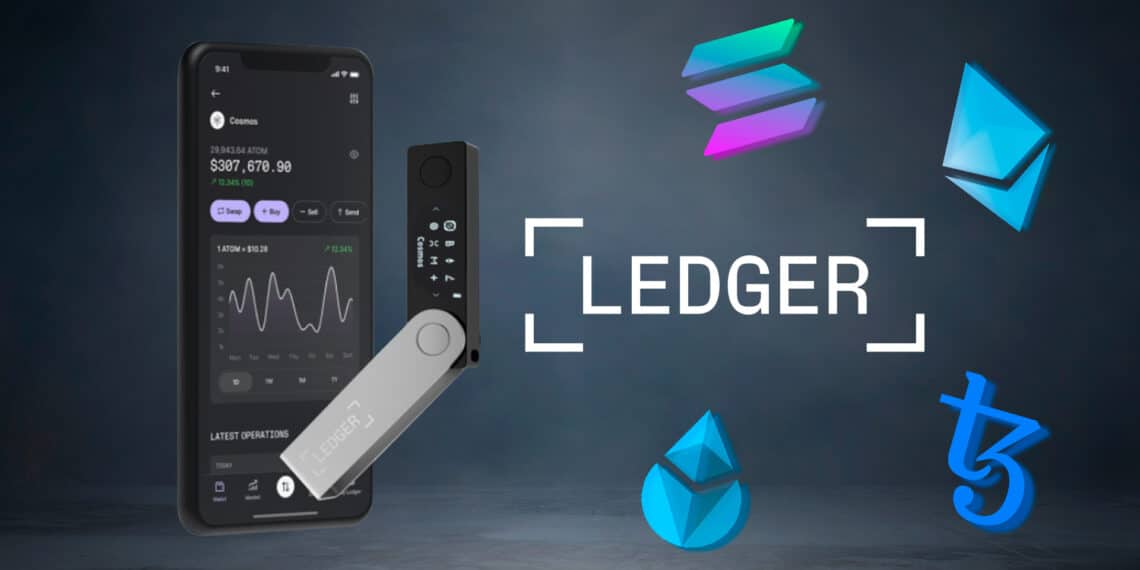
When you link a trading dapp, prefer wallet apps that support native integrations and sign only the active transaction, not blanket allowances. Ledger Live, for example, offers a managed interface and local signing flows that reduce exposure to phishing overlays and dodgy browser extensions—it’s worth checking out for a smoother, safer management experience. There.
DeFi Integration: Complexity + Permissioning
DeFi is powerful. It is also complex. Long sentence: between composability, flash loan vectors, oracle manipulations, and permissioned approvals, the number of ways funds can be drained grows with how many protocols you interact with, so stricter separation and auditing of contracts matter more than ever for users who play in multiple pools. Wow! That’s a mouthful. But it’s true.
Use read-only connections where possible, and avoid granting unlimited token allowances. Monitor approvals with tools or wallet features that let you revoke permissions—do that from your hardware wallet so you sign the cancellation on-device. Also, keep an eye on RPC endpoints: a malicious or compromised RPC can supply deceptive transaction data to your wallet app. Verify network settings, and if something smells phishy, disconnect and re-evaluate the dapp in a safer environment.
One more nuance: passphrases (25th word) increase security but add a recovery problem. Seriously—if you use a passphrase, document it in a secure way. Consider a multisig backup instead if you want to avoid a single point of human failure. People love the idea of “I’ll remember it,” and then they don’t. That part bugs me.
Workflows I Use (and Why)
I keep three archetypal wallets: cold storage for big holdings, a trading wallet for swaps and market-making, and a collector wallet for minting NFTs. Short. The cold device mostly stays offline. The trading wallet is a hardware device that I connect selectively and only through vetted apps. The collector wallet has low balances and gets rotated often (yes, I rotate wallets; it’s extra work but worth it). On one hand this is extra hassle, though on the other hand it sharply limits damage from a single compromised site or phishing attempt.
Backup strategy: steel backups for seeds, geographically separated, and a digital-hardened emergency contact plan (not the same as giving someone direct access). Long sentence: practical redundancy beats paranoia—if your entire plan is “I’ll remember the password,” you’ve already lost, because human memory fails at inconvenient times, and recovery windows close fast in crypto.
FAQs
Can I manage NFTs and DeFi positions from one hardware wallet?
Yes, technically. But for safety, separate roles. Use a single device for cold storage and a different one for active interactions if possible; if not, compartmentalize balances and approvals aggressively.
Is multisig better than a single hardware wallet?
Multisig increases resilience and reduces single-point-of-failure risk, especially for high-value holdings, but it adds complexity and cost. Evaluate based on your risk, technical comfort, and whether you have trusted co-signers.
How do I avoid phishing when using dapps?
Always verify domain names, use bookmarklets for known sites, prefer integrations through trusted wallet apps, confirm transaction data on-device, and avoid pasting your seed or passphrase anywhere. If a site asks for an unusual signature or approval, stop and ask—seriously.